Eavestrough Clearing in Monmouth County, NJ
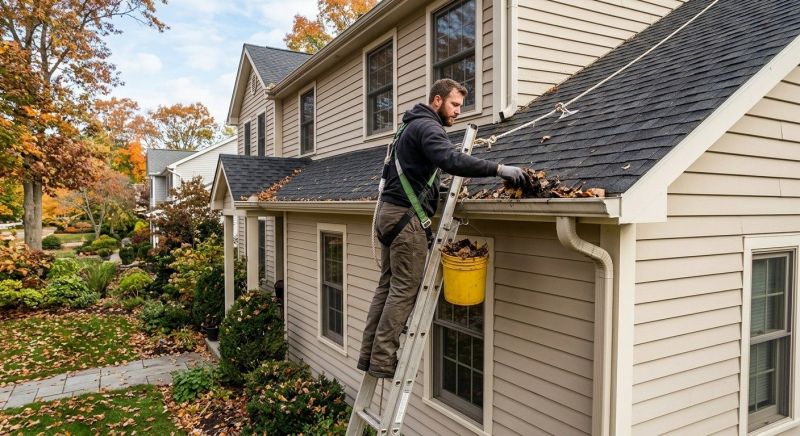
Eavestrough clearing services involve the removal of leaves, debris, and other obstructions from the gutters that run along the edges of a property’s roof. This process helps ensure that rainwater flows properly through the gutters and away from the foundation, preventing water damage, basement flooding, and issues with fascia or soffits. Projects typically include clearing out residential gutters of various sizes and configurations, especially after seasons with heavy leaf fall or storms that can cause blockages. Homeowners often want to understand the scope of the cleaning, whether it includes downspout flushing, and how frequently maintenance should be scheduled to keep the system functioning effectively.
Property owners considering eavestrough clearing should assess the current condition of their gutters, noting signs of overflowing, sagging, or accumulation of debris. It’s also helpful to determine the size and layout of the gutter system and whether additional repairs or guard installations might be necessary. Clear communication about the extent of the project and any specific concerns can help ensure that the service addresses the property’s needs effectively. Properly maintained gutters contribute to the overall health of a home’s exterior and foundation, making regular clearing an important part of property upkeep.
Many property owners in Monmouth County, NJ look into Eavestrough Clearing for repairs, replacements, upgrades, and appearance-related improvements.
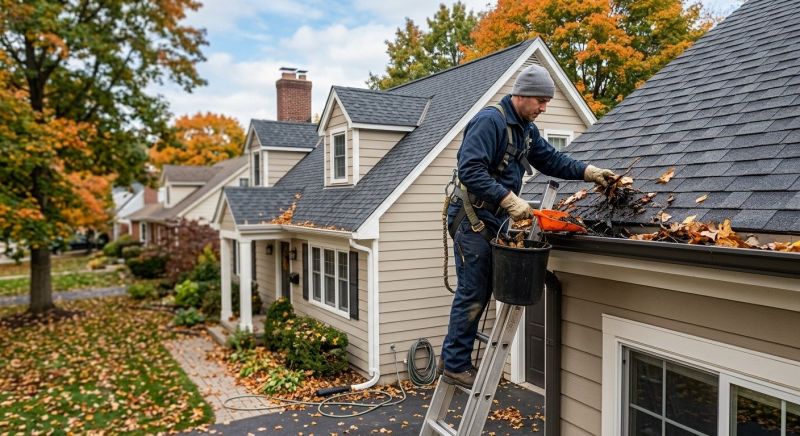
Eavestrough Maintenance
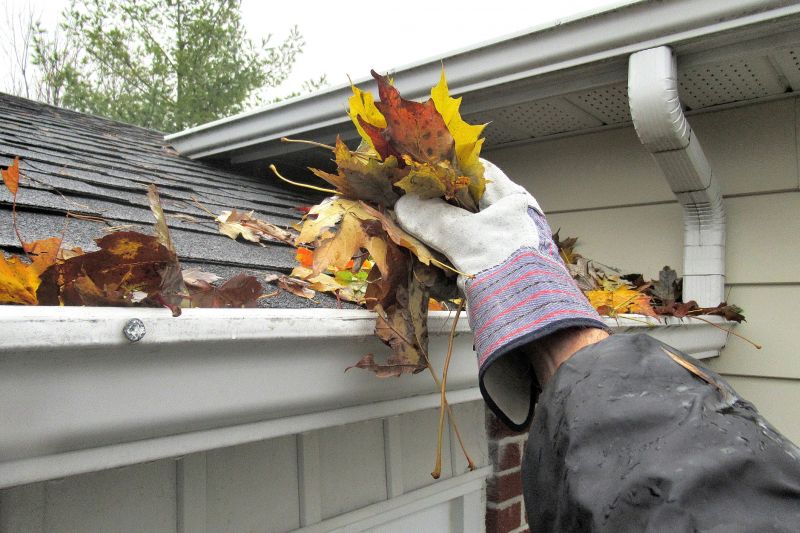
Regular cleaning helps prevent water damage and keeps gutters functioning properly.
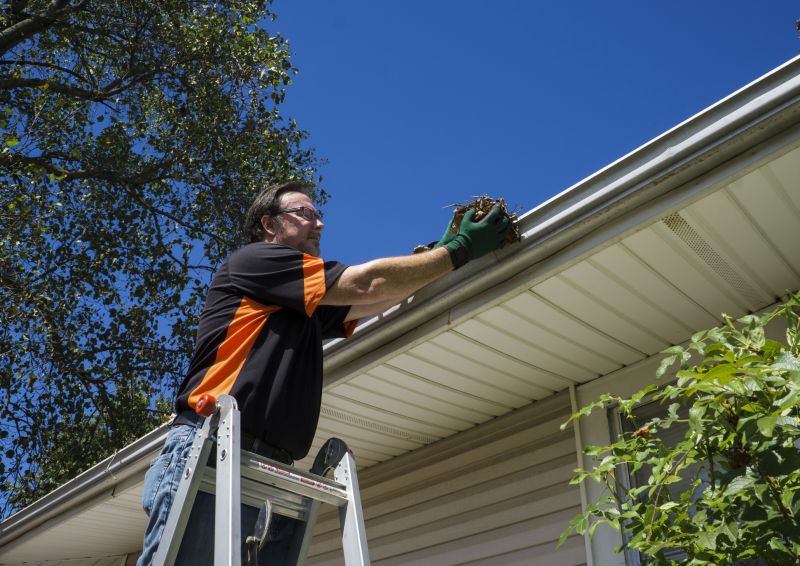
Clog Removal Services
Clearing blockages ensures rainwater flows smoothly away from the home’s foundation.
Gutter System Repairs
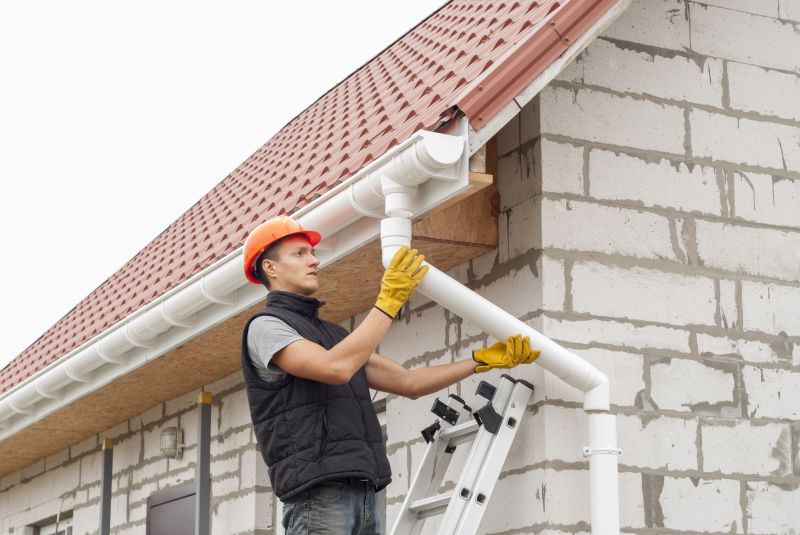
Fixing leaks and damages extends the lifespan of eavestroughs and protects your property.
Eavestrough Clearing in Monmouth County, NJ

Eavestrough clearing services involve the removal of leaves, debris, and other obstructions from the gutters that run along the edges of a property’s roof. This process helps ensure that rainwater flows properly through the gutters and away from the foundation, preventing water damage, basement flooding, and issues with fascia or soffits. Projects typically include clearing out residential gutters of various sizes and configurations, especially after seasons with heavy leaf fall or storms that can cause blockages. Homeowners often want to understand the scope of the cleaning, whether it includes downspout flushing, and how frequently maintenance should be scheduled to keep the system functioning effectively.
Property owners considering eavestrough clearing should assess the current condition of their gutters, noting signs of overflowing, sagging, or accumulation of debris. It’s also helpful to determine the size and layout of the gutter system and whether additional repairs or guard installations might be necessary. Clear communication about the extent of the project and any specific concerns can help ensure that the service addresses the property’s needs effectively. Properly maintained gutters contribute to the overall health of a home’s exterior and foundation, making regular clearing an important part of property upkeep.
Many property owners in Monmouth County, NJ look into Eavestrough Clearing for repairs, replacements, upgrades, and appearance-related improvements.
Common Eavestrough Clearing Jobs
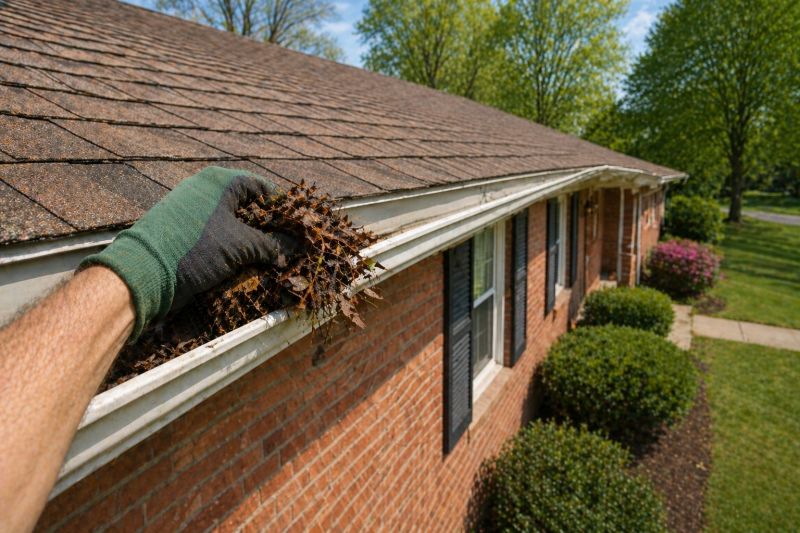
Eavestrough Cleaning - removal of leaves, debris, and buildup to ensure proper drainage.
Gutter Inspection - assessment of eavestroughs to identify leaks, sagging, or damage.
Debris Removal - clearing out blockages to prevent water overflow and property damage.
Gutter Flushing - thorough rinsing of eavestroughs to maintain optimal flow.
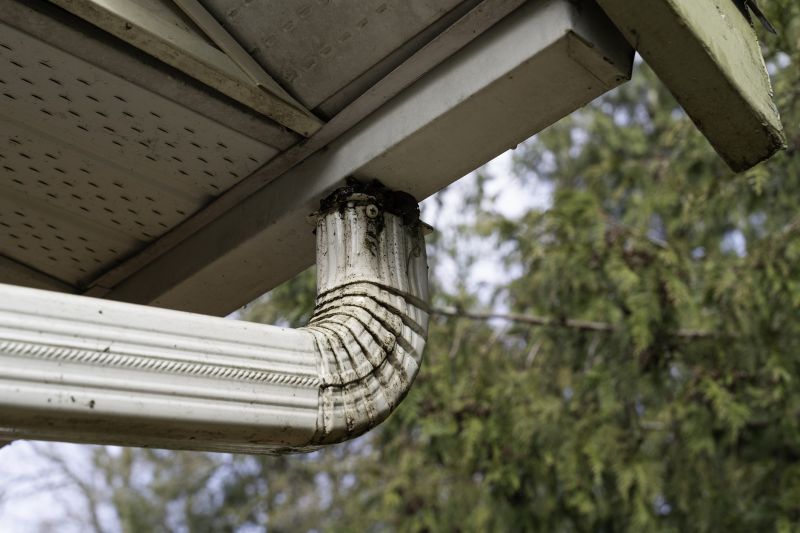
Downspout Clearing - unclogging downspouts to direct water away from the foundation.
Preventative Maintenance - routine cleaning to extend the lifespan of gutter systems.
Eavestrough Clearing Questions
Why is eavestrough clearing important? Regular clearing helps prevent water damage, foundation issues, and basement flooding by ensuring proper water flow away from the property.
How often should eavestroughs be cleaned? It is recommended to have eavestroughs cleaned at least twice a year, typically in spring and fall, or more frequently if there are many trees nearby.
What debris can clog eavestroughs? Leaves, twigs, dirt, and small branches commonly cause blockages and reduce the effectiveness of water drainage systems.
Can clogged eavestroughs cause property damage? Yes, blockages can lead to water overflow, which may cause damage to roofing, siding, and the foundation over time.
Request Eavestrough Clearing in Monmouth County, NJ
Use the quote form on this page to share the basics of your project and request more information for the type of work you need.